RECOVERY CONFIDENCE
Recovery Tested Annually, Not Assumed
We test backup, disaster recovery, and cyber resilience annually. so you know recovery works when needed, not hope it does.
Part of Adaptive Cloud, our managed service for Cloud 3.0 infrastructure.
THE PROBLEM
The reality:
- Backup exists, but file recovery hasn't been tested
- DR plans documented, but failover not validated
- Cyber recovery assumed, but restore never proven
- Auditors ask for evidence. assumptions don't satisfy them
When data loss or infrastructure failure occurs, untested recovery creates risk.
KEY FEATURES
Recovery Confidence means:


What Sets you apart
Most organisations have one or two.
Recovery Confidence delivers all three, tested annually.
As part of Adaptive Cloud, we manage recovery across your infrastructure. proving recovery works through annual testing.


How Adaptive Cloud Delivers Recovery Confidence
Recovery Confidence isn't about having backup. It's about proving recovery works.
Recovery confidence
1. Backup & Recovery
What's tested annually:
• File and folder recovery
• Application stack recovery (complete application restore)
• Database recovery
• Recovery timing (how long it takes)
Recovery confidence
2. Disaster Recovery
We test that applications fail over when infrastructure fails.
What's tested annually:
• Application failover to secondary infrastructure
• Recovery time for each system (target: 4-8 hours for critical, 8-24 hours for business-critical)
• Data loss measurement (how much data, if any, is lost)
• Staff procedures (everyone knows what to do)
Recovery confidence
3. Cyber Recovery
We test that you can restore cleanly after ransomware attacks.
What's tested annually:
• Restore from isolated backup (ransomware can't reach)
• Data integrity scanning (no malware in restore)
• Clean recovery procedures
• Recovery timing for cyber attacks
WHAT RECOVERY CONFIDENCE LOOKS LIKE
Tested. Documented. Proven.
This is annual testing, not quarterly. we're realistic about what can be delivered consistently.
Part of Adaptive Cloud: Recovery tested alongside cost control, sovereignty, and AI readiness.
Read the full testing procedure below...
why synapse
Proven Recovery in Critical Environments
Synapse provides recovery confidence for organisations where downtime isn't acceptable.
Service Accountability Model:
• Dedicated account manager
• Regular business reviews
• Annual recovery testing
• Continuous monitoring
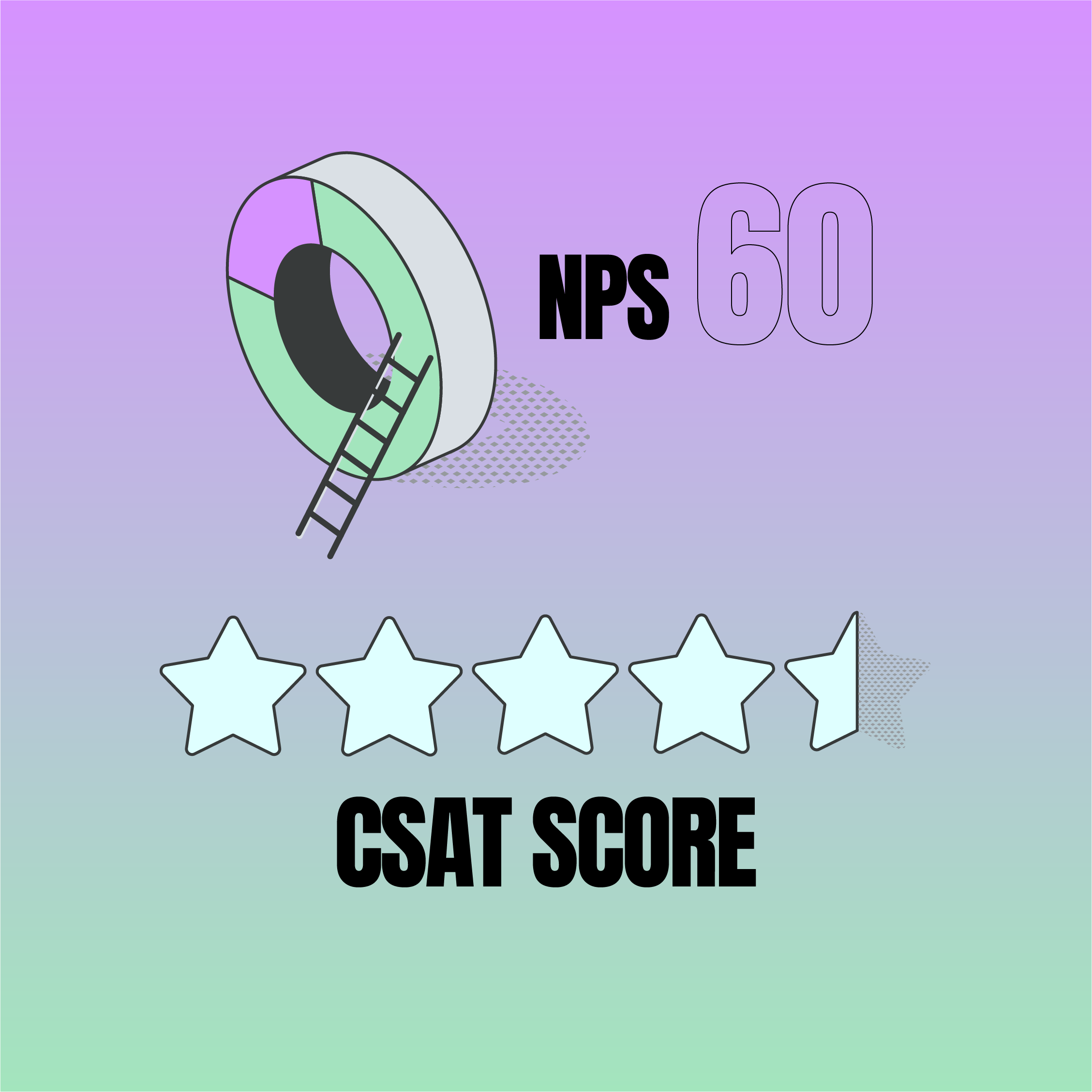
• NPS +66, CSAT 4.5/5
Freedom to Be Bold
Annual Testing, Documented: Recovery tested annually, not assumed. Evidence provided for auditors, insurers, boards.
Multiple Recovery Types: Backup, disaster recovery, and cyber recovery. all managed, all tested. Most organisations need all three.
24/7 Monitoring, Emergency Response: Automated monitoring with P1 emergency on-call (not a 24/7 NOC. business hours support 9-5 Mon-Fri, emergency response 24/7).
Infrastructure Across Platforms: Recovery managed across private cloud, public cloud, and on-premise. One service, all infrastructure.
Synapse CLIENTS
Trusted By



ENTRY POINTS
Where Most Organisations Start
Featured Card
All three lead to Recovery Confidence. One of four outcomes you get with Adaptive Cloud.
Start With Recovery
You don't need to implement everything at once.
Start where pressure is highest. Proven recovery, tested annually.